Hello, readers! For today’s blog post, which is part of a series, we’ll be exploring the Azorean island of Pico. This is the “youngest” of the islands, having been created only about 300,000 years ago.
As you (hopefully) read about last time, my family and I were on the small island of Faial. We had gotten there by a propeller plane from São Miguel, which is where our vacation started. During our short stay on Faial, we took a ferry to the neighboring island of Pico, which took only about half an hour because it’s so close. For spending only a single day on this island, it sure packed a punch! I didn’t take quite as many photos of Pico as compared to the other islands we visited, so here are just a few.
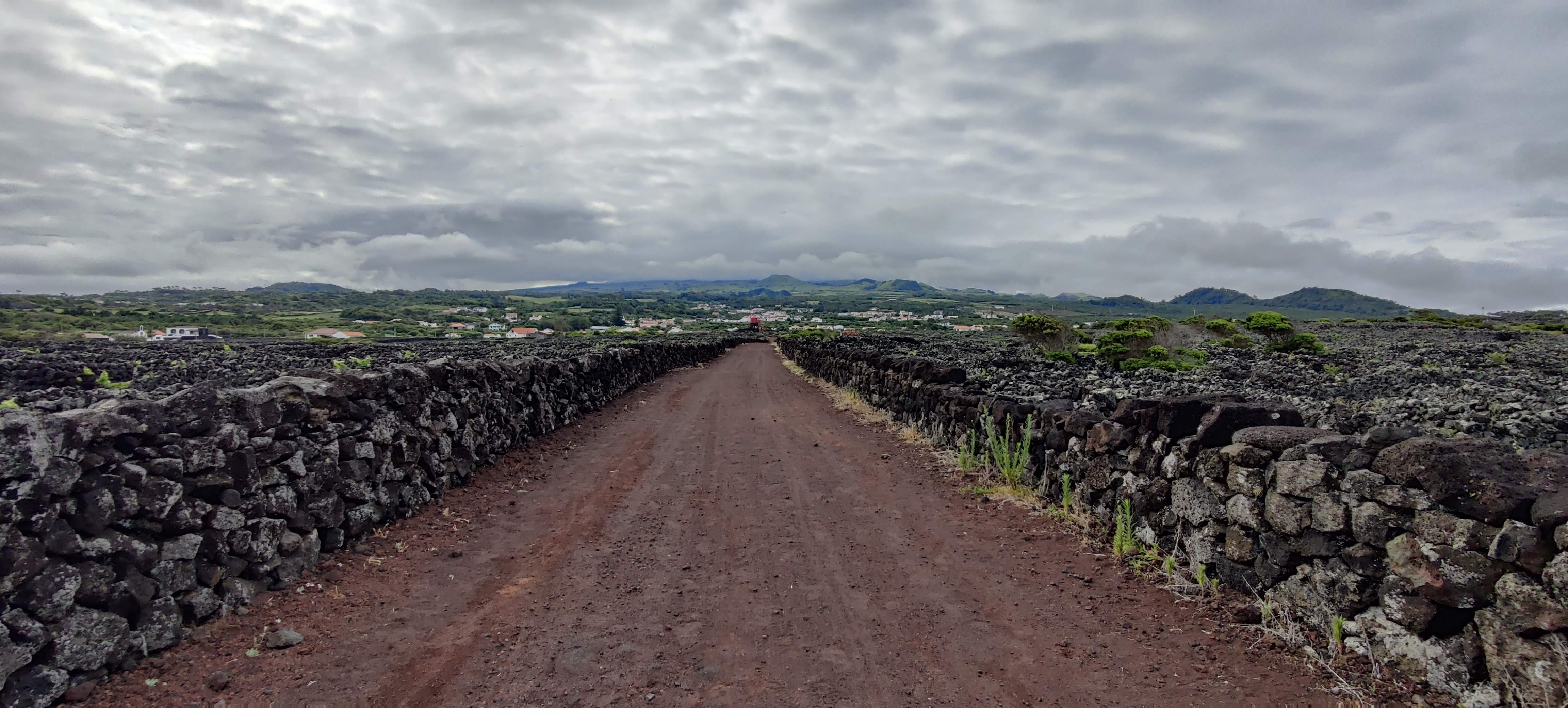
Our first stop was the vineyards of Criação Velha. These vineyards were unlike any I have ever seen before. As far as the eye could see were hundreds of currais: contiguous, rectangular plots enclosed by black basalt rocks, with vibrant green grapevines growing in them. This unique viniculture method of Pico dates back to the 15th century, yet they continue to use these walls today to protect the vines from the sea weather, creating a micro-climate for the grapes. In 2004, the vineyards were classified by UNESCO as a World Heritage Site.
Criação velha translates to “old creation,” which makes beautiful and poetic sense when you’re standing in the middle of it and the whole wide world seems old and new all at the same time. (By the way, Mount Pico was always hidden by clouds while we were there, as you can see below, so I don’t have any photos of it. Bummer.)


(Side note: For some reason, I stupidly didn’t try any wine when I was there on the island of Pico. However, I did try a shot of aguardente, which is Portuguese “firewater,” aka Portuguese brandy. The bottle said 50% alcohol and I believe it. That stuff was strong!)
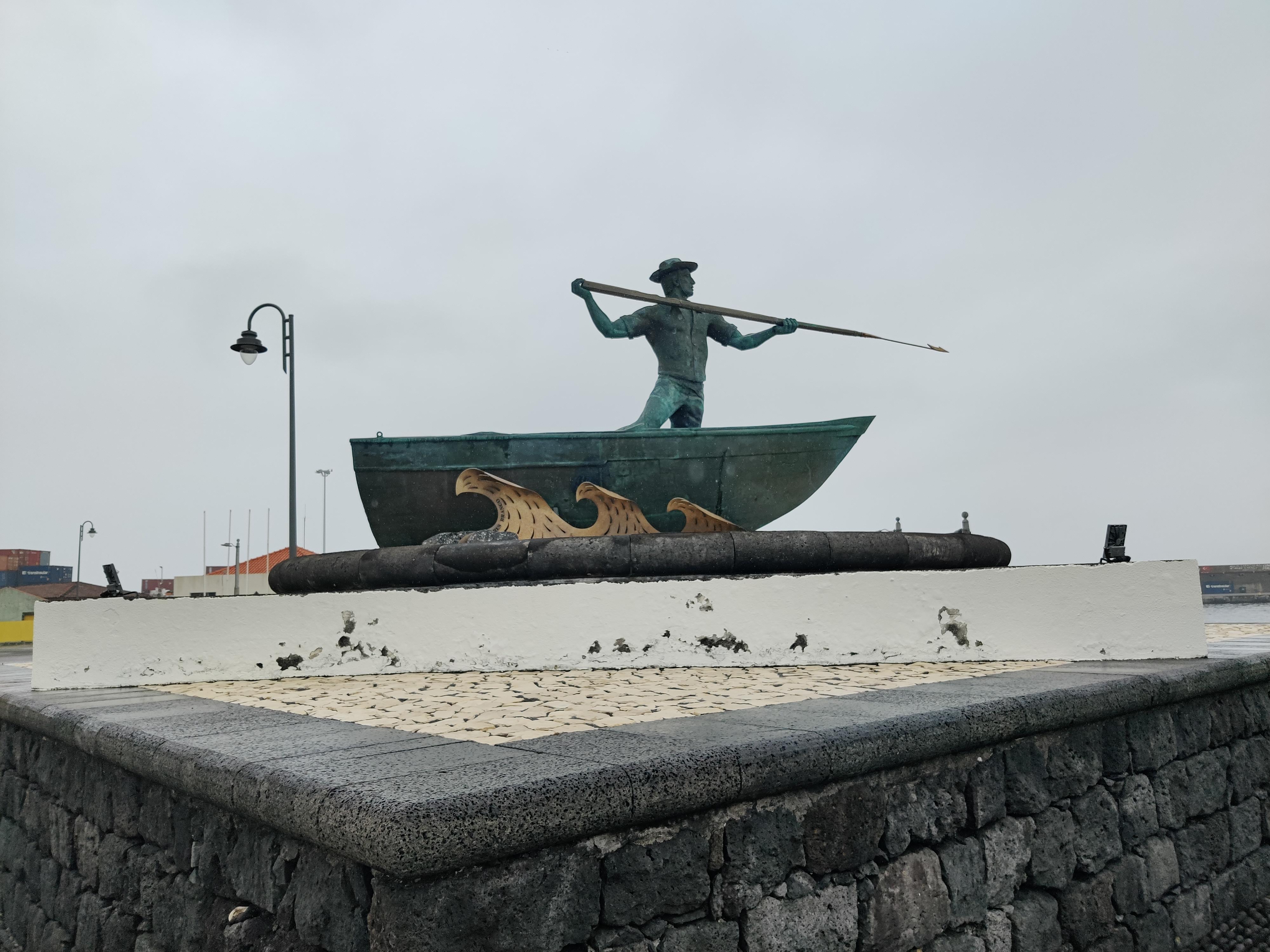
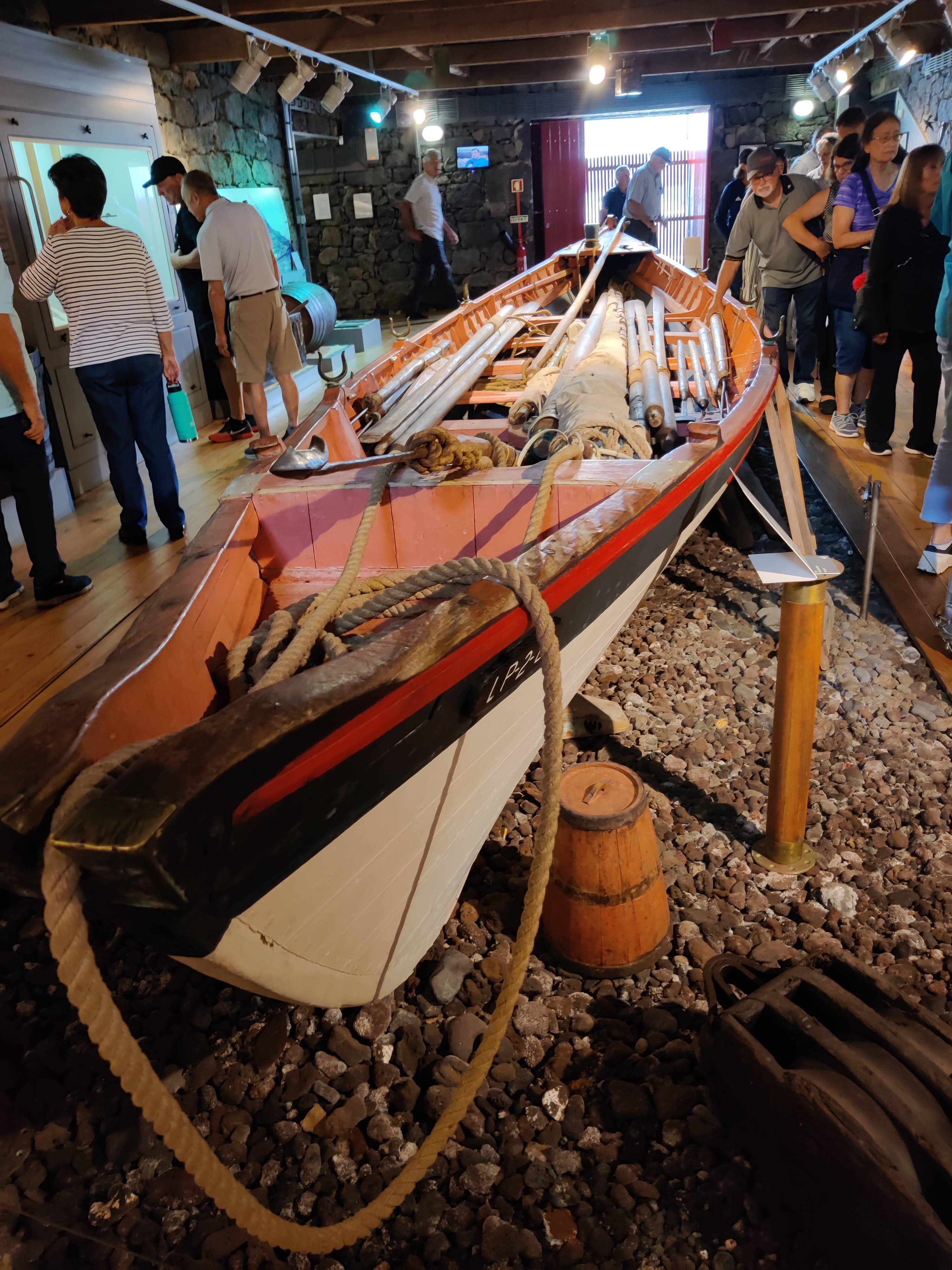
Whaling was a big part of the Azorean culture, economy, and history up until the 1980’s, when it was made illegal. My maternal grandfather was a whaler. It was a difficult and dangerous job for him and his fellow whalers. Cruel as we think of whaling now, it was a means for men like my grandfather to provide for their families. The entire animal was used for various products, even the bones. We visited two different museums devoted to whaling while we were on Pico.
By the way, there’s a rather interesting documentary called “The Last Whalers of São Miguel” available on Amazon Prime Video (and a few other streaming services). Take note, however, that it’s not a free video and there are a couple of parts that are slightly graphic. It’s in Portuguese and Dutch, but English subtitles are available.
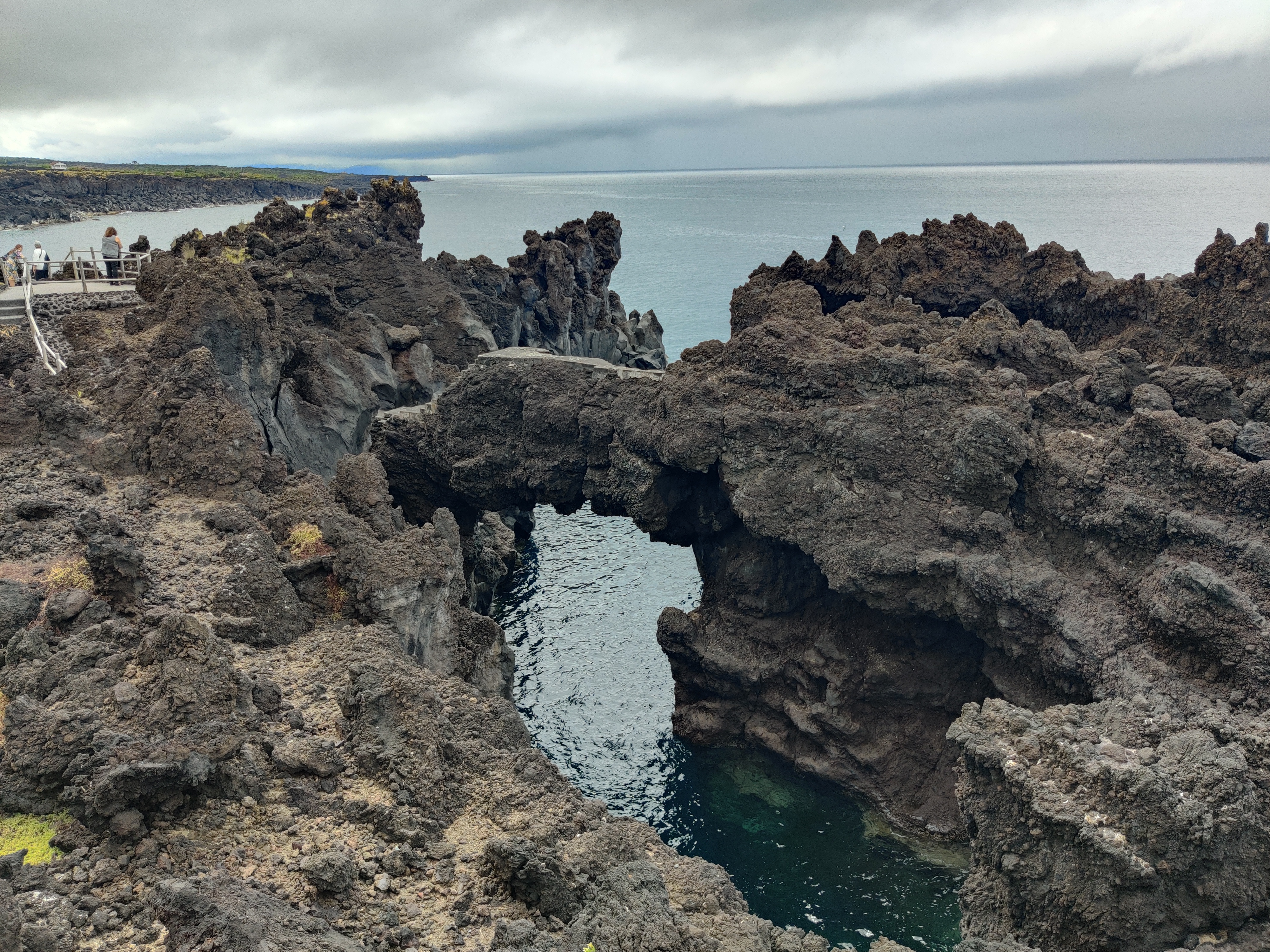
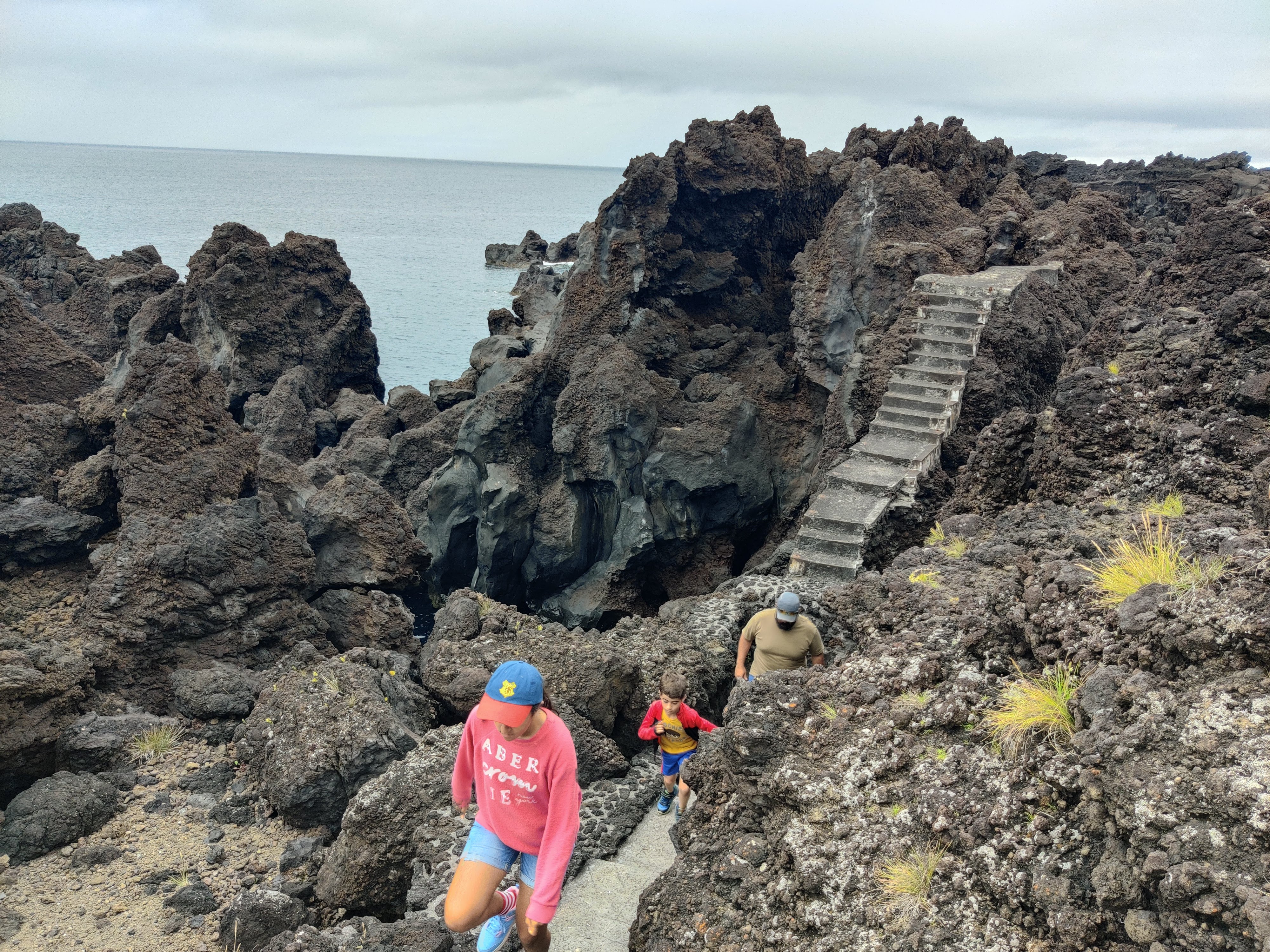
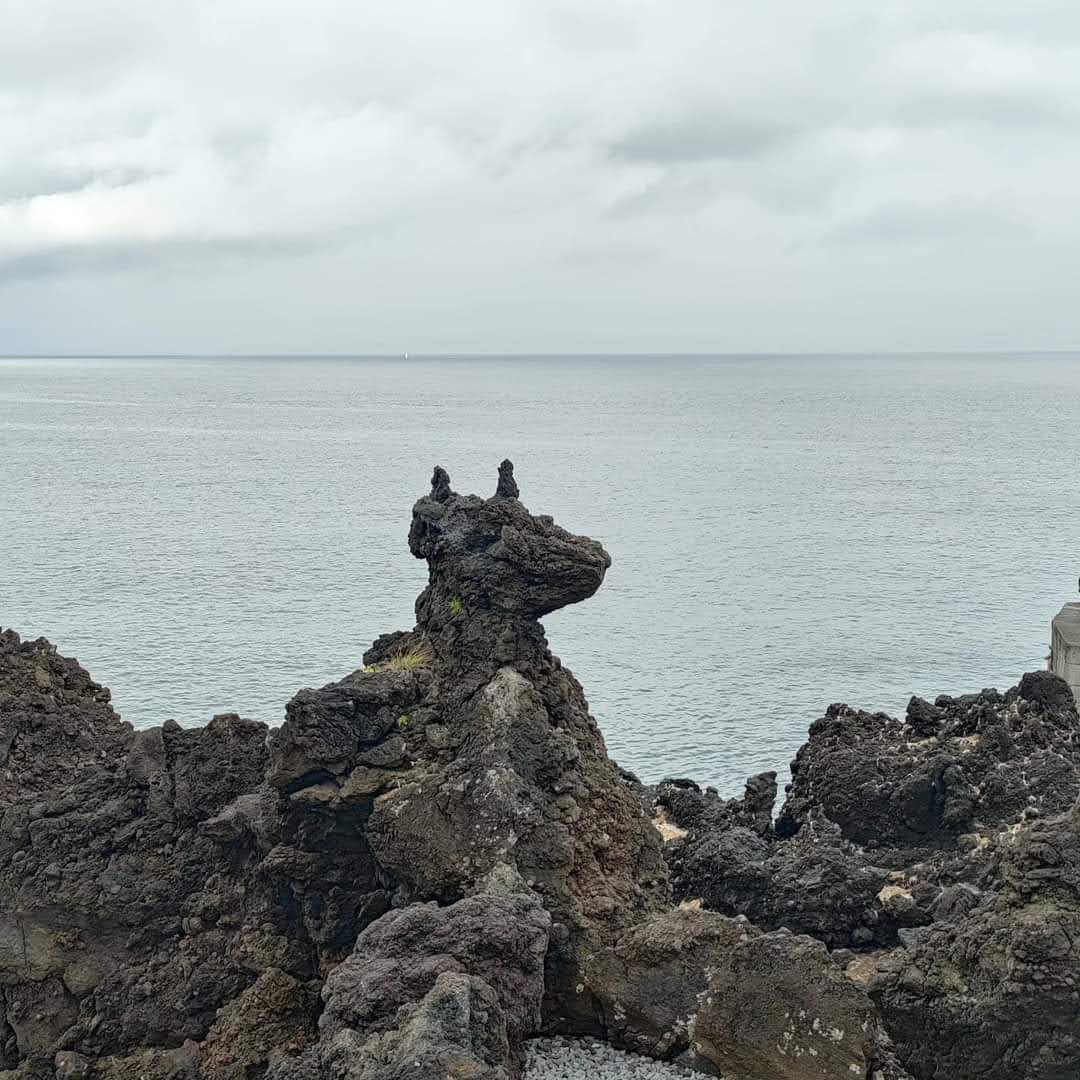
These last photos show some of the awesome volcanic rock formations found on the island. This place is called Arcos do Cachorro. Not only was it interesting to hike around these unique lava tubes and caves, it was amazing to see the geology of this area and how the sea has altered the rocks over the millennia. By the way, Arcos do Cachorro translates to “Arches of the Puppy.” Do you see why?
The next stop on our trip was the island of Terceira. Be sure to come back soon to read all about it!
As always, thanks for stopping by. ❤
 Moxie and Mishaps
Those photos are so breathtaking- and I am sure live and in person that water looked even better!! So exciting to see all these photos knowing our ancestors could have stood exactly where you did!!!
LikeLiked by 1 person
Thank you! 🙂 It was an incredible trip!
LikeLike